Written on March. 30th, 2025 by Bollé Safety
As part of Bollé Safety’s ongoing commitment to responsible business practices, Claire Marion, Head of ESG, shares her perspective on the company’s engagement with the 1% for the Planet initiative. In this interview, she reflects on the rationale behind this commitment, how it aligns with our broader ESG strategy, and the tangible impact it creates for partner organisations and local communities.
Why did Bollé Safety decide to join 1% for the Planet?
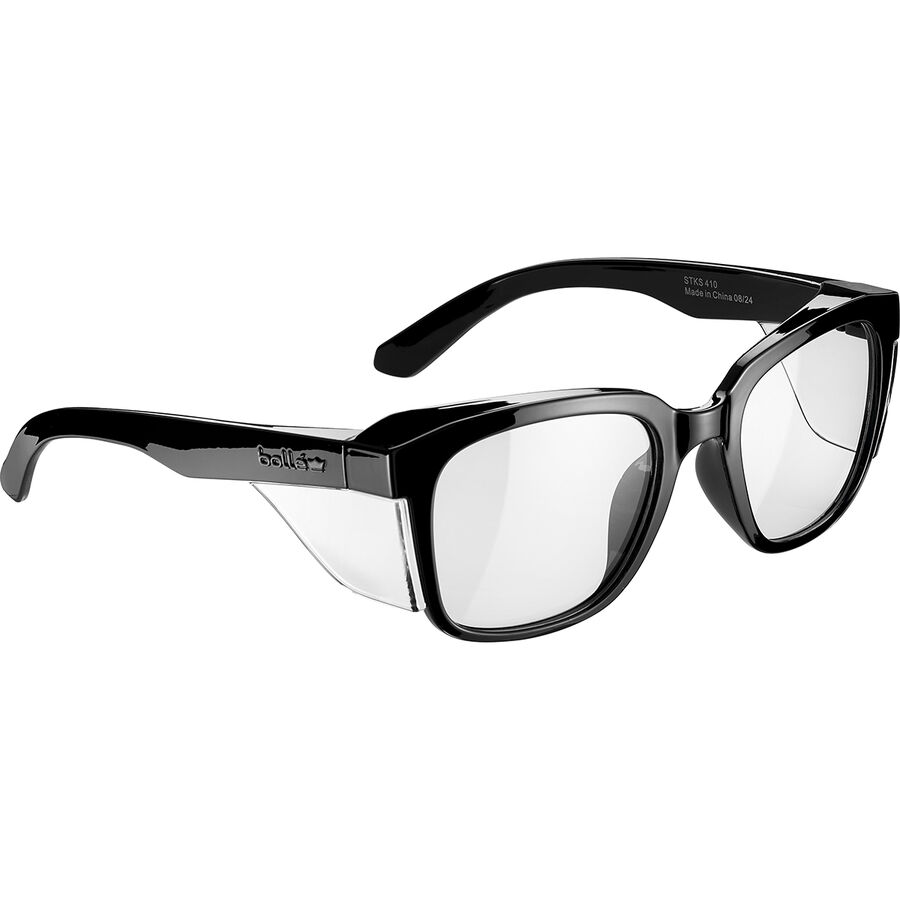
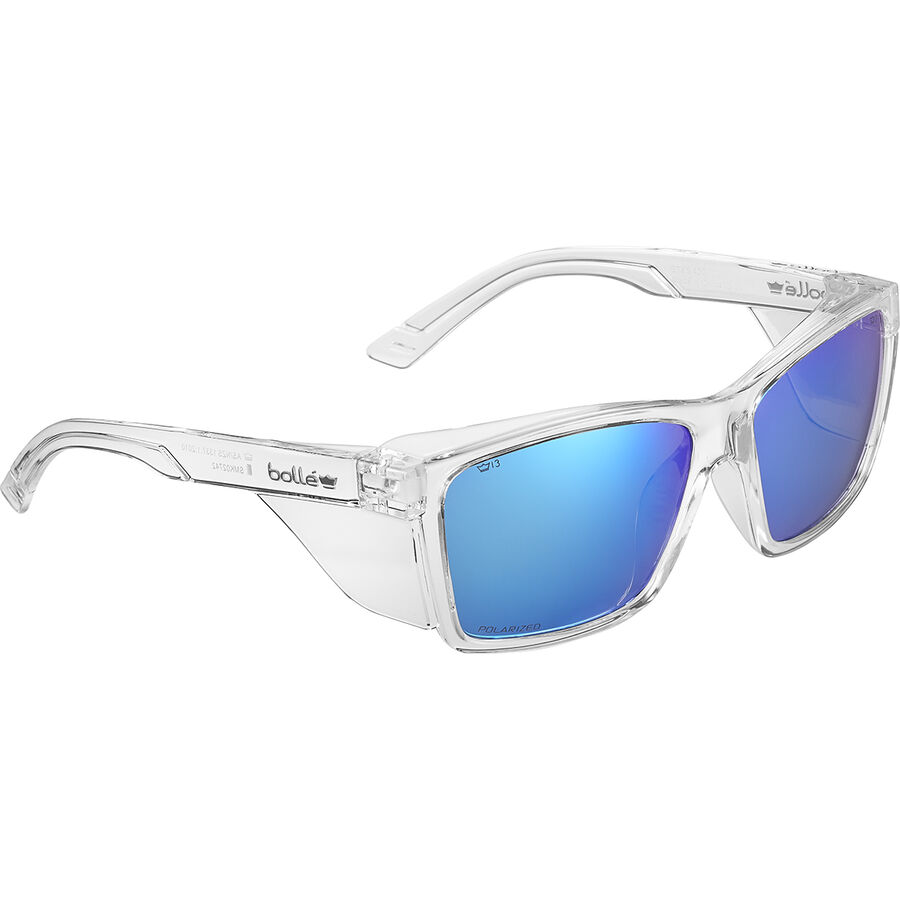
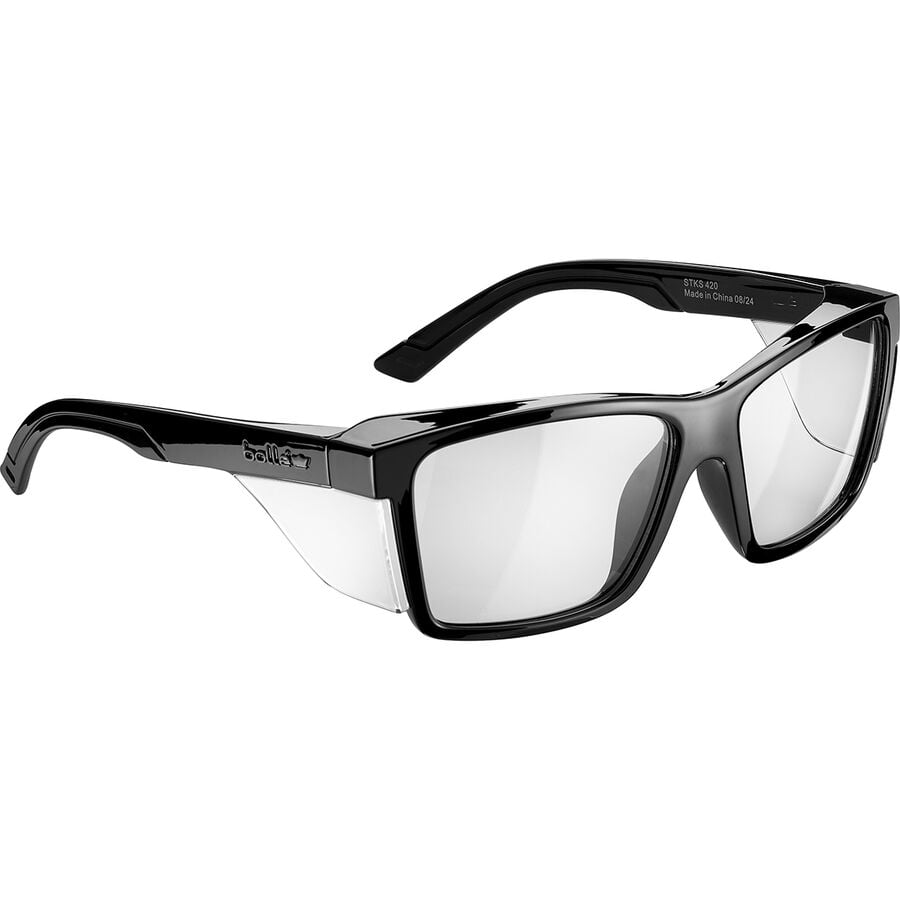
Our starting point was to support an environmental cause in a way that is both credible and clear to communicate. Bollé Safety was already making occasional donations to various organizations, but joining 1% for the Planet has allowed us to structure this approach and increase the level of our contributions, which are directly linked to the sales of our STKS eyewear range.
This partnership also enables us to take a longer-term approach, rather than making one-off donations at specific times of the year. It helps bring more consistency to our actions. Finally, 1% for the Planet is an international network with partner organizations across all continents, which has allowed us to select NGOs that are close to our key regions: Europe, North America, and Asia-Pacific.


What does this commitment represent in practice for Bollé Safety?
This commitment is a key component of our broader CSR approach. Alongside our partnership with 1% for the Planet, we also provide regular product donations and encourage our employees to get involved locally through volunteering.
In 2024, following our first employee engagement survey, we identified a strong interest in dedicating time to causes that matter to our teams. In response, we introduced a Volunteering Day, giving every employee across the Group one paid day per year to support a non-profit organization of their choice.
Since 2025, one of the criteria to qualify for the ESG bonus has been to dedicate at least half a day (three hours) to local initiatives, such as waste collection, blood donation, or supporting food banks. In the last financial year alone, more than 1,500 hours of volunteering have been completed.
How did we select our partner organizations?
Raising awareness around plastic use and supporting its reduction are key priorities for us. As a manufacturer of polycarbonate eyewear, we recognize that our products rely on plastic, even as we work to extend their lifespan through initiatives such as prescription integration, effective anti-fog treatments, and proper care solutions.
We first carried out a pre-selection of organizations that are active in addressing plastic pollution and located close to our main offices, with the objective of supporting local impact in each of our key regions. The final selection was then made through an employee vote.


What are the challenges of a commitment like this?
One of the main challenges is maintaining long-term relationships with local organizations, so that the engagement remains meaningful for both our employees and our customers. This is not always straightforward—for example, our Australian partner organization is located far from our offices, which can make collaboration more difficult.
While we aim to build lasting partnerships, the amount we contribute is tied to product sales and can therefore vary from year to year. This creates less financial predictability for the organizations we support and requires careful internal planning to ensure sufficient budget allocation each year.
How do you ensure this type of initiative is not perceived as marketing (greenwashing)?
We rely on several principles to keep this approach transparent and credible. First, all organizations within the 1% for the Planet network are individually vetted, which provides an additional level of confidence in their work.
We have also chosen to support organizations that are close to our main offices, allowing us to maintain regular, direct contact and better understand the impact of their actions. We openly share the names of the organizations we support on our website as part of this transparency.
In addition, the 1% for the Planet model is clear and factual: 1% of sales from our STKS eyewear range is donated to these organizations, no more, no less. Finally, we openly acknowledge that our business contributes to plastic use, and we do not present this partnership as a way to offset or neutralize that impact.


Are employees involved in these initiatives?
We aim to actively bring these partnerships to life with the organizations we support. For example, we have set up a soft plastics collection point in our Carlsbad office, which is then collected and recycled by Plastic Beach, the local organization we support. Plastic Beach has also visited our offices to give a talk to our teams.
In France, No Plastic in My Sea has also hosted a conference at our offices. In Australia, we are currently in discussions with PCMFL to organize more joint initiatives. For now, we support their clean-up activities through product donations, in addition to our annual financial contribution.
What role does ESG play in the company culture today?
ESG plays a key role in employee engagement and team pride. It is also an important factor in attracting and retaining talent. Since launching our employee engagement survey, ESG has consistently been one of the highest-rated topics.
It helps create a shared sense of purpose across teams and functions. We have also widely rolled out initiatives such as the “2 Tonnes” workshops and the Climate Fresk, which help build a common understanding and shared language around these topics.
By recognizing and encouraging engagement, we are seeing growing momentum, with more employees getting involved each year. Finally, our internal awareness initiatives on the social aspects of ESG help promote values such as respect, inclusion, and tolerance, which benefit everyone across the organization.


What makes the 1% for the Planet model particularly relevant compared to other forms of commitment?
The 1% for the Planet model is particularly relevant because it is simple, transparent, and directly linked to our business: the more successful STKS eyewear is, the more support partner organisations receive. It provides a credible framework through the vetting of partner NGOs, while also enabling a local impact in each of our regions. It is a clear, proportionate commitment that is fully aligned with our overall ESG approach.
Any final thoughts to share?
Yes!
To go a step further, I have also personally chosen to support 1% for the Planet by volunteering as a member of the pre-selection committee for the 2026 “Rencontres pour la Planète.” In this role, I had the opportunity to review applications from organizations working on biodiversity-related projects.
The highest-rated organizations will be invited to present their projects at this major philanthropy-focused event, where they can secure funding to support their initiatives.