WELCOME TO INSIGHTS
EXPLORE OUR CONTENT LIBRARY
Gain insights on Bollé Safety's world and the broader PPE eyewear industry






Which welding helmet to choose depending on the electric welding process?
Discover the different procedures in electric welding. Arc welding is a generic term for a process in which an electric arc is created between an electrode and the parts to be assembled.
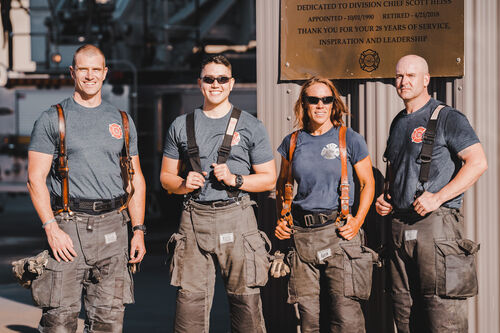
Why wear ballistic glasses during tactical operations?
Tactical response workers are highly susceptible to eye injuries. These environments require the highest eye protection standards.

Eye Safety doesn’t end with the workday – Safety Glasses at Home
Workplace OH&S is a well-known concept and safety glasses are common in working environments, but what about eye safety at home?

Eye Safety Options if you Wear Prescription Glasses
Many workplaces instigate an eye safety program for their employees as part of their overall OH&S. But what if you wear prescription glasses every day, rather than contact lenses? What if the company’s chosen safety glasses don’t fit over a pair of prescription lenses?
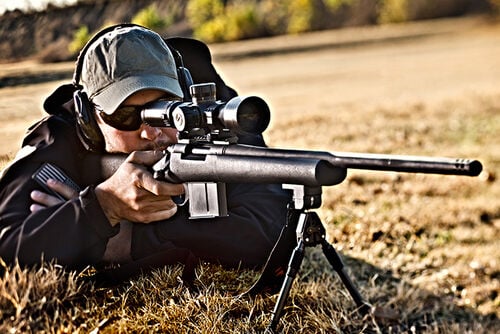
Tactical eyewear: On and off the battlefield
Why choosing tactical eyewear ? For the most prevalent tactical situations, the risks present in tactical situations. Protect yourself from the risk!
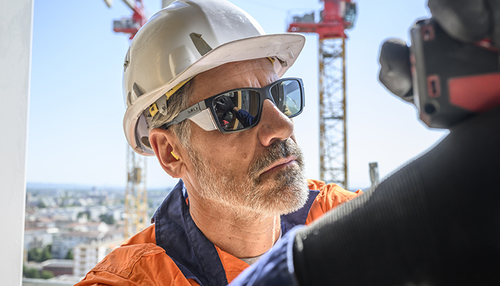
What are the materials used for lenses : advantages / disadvantages ?
Occupational risks: assess them properly to select the right protection. The selection of eye protection is part of your duty as an employer. It is important to clearly identify the types of risks present in order to provide each employee the suitable equipment and to check that the risks, directives, standards and markings on the protection are all in line with each other.
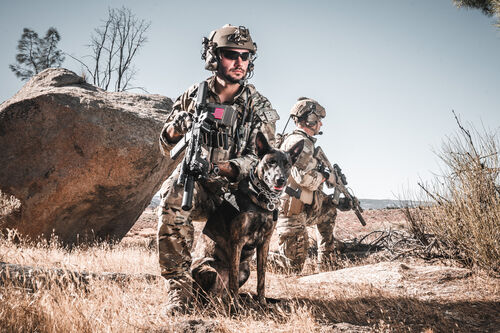
What standards apply to tactical ballistic eyewear?
In the world of safety eyewear, ballistics means military-grade impact protection. What is the difference between ballistic and safety eyewear for civilians? Read more about the standards and certifications in this article.

PPE and ESG: Why and How to Take Action in a Company?
Environmental, Social and Governance factors (ESG) are of a heightened concern for corporations to be sustainable long term. What is ESG and why it is so important for companies.
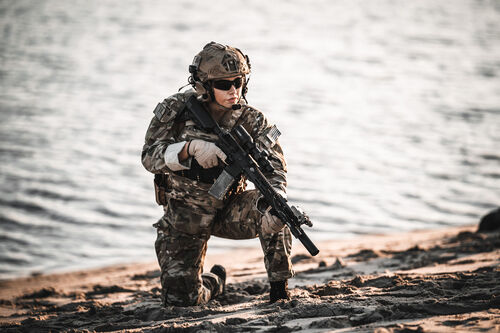
What are the eye risks in a tactical environment?
Many tactical settings present a variety of risks to the eyes. The appropriate eye protection is a must for survival in these harsh environments.
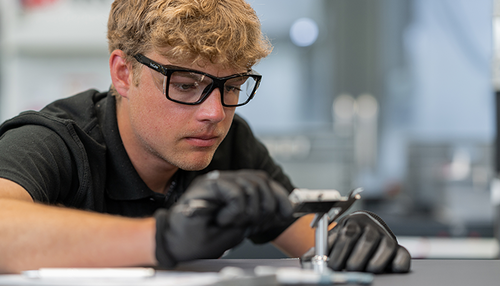
What are the different prescription lenses used at Bollé Safety?
Single vision, progressive or varifocal, bifocal, degressive and free form lenses

VISUAL IMPAIRMENT
At a time when more than one in three people around the world have vision problems, eye protection in the workplace can quickly become a challenge. Find out more about vision problems