
Written on April 26th, 2026 by Bollé Safety
UV400 PROTECTION:
WHAT IT IS AND WHY IT MATTERS
When it comes to eye protection, not all lenses are created equal. One term you’ve likely seen is “UV400” but what does it actually mean, and why is it important for your eyes?
WHAT IS UV400?
UV400 protection refers to lenses that block 100% of ultraviolet (UVA) radiation up to 400 nanometers (nm). This includes: UVA rays (315–400 nm), UVB rays (280–315 nm) and UVC (100–280 nm).
These are the harmful parts of the light spectrum that can damage your eyes over time.
A UV400-rated lens ensures that none of this radiation reaches your eyes.
In simple terms: UV400 = maximum UV protection.

UNDERSTANDING LIGHT
UV vs VISIBLE LIGHT
To understand UV400, it helps to look at the light spectrum:
- Ultraviolet (UV) light: Invisible to the human eye, but harmful
- Visible light: The light we can see (approximately 400–750 nm)
- Infrared light: Invisible heat radiation beyond visible light
UV radiation sits just below visible light in the spectrum. Even though we can’t see it, it can still cause serious damage.
WHEN ARE YOU EXPOSED
TO UV RADIATION ?
UV exposure isn’t limited to sunny summer days. You’re exposed to UV rays:
- Outdoors year-round, even on cloudy days
- At high altitudes, where UV intensity increases
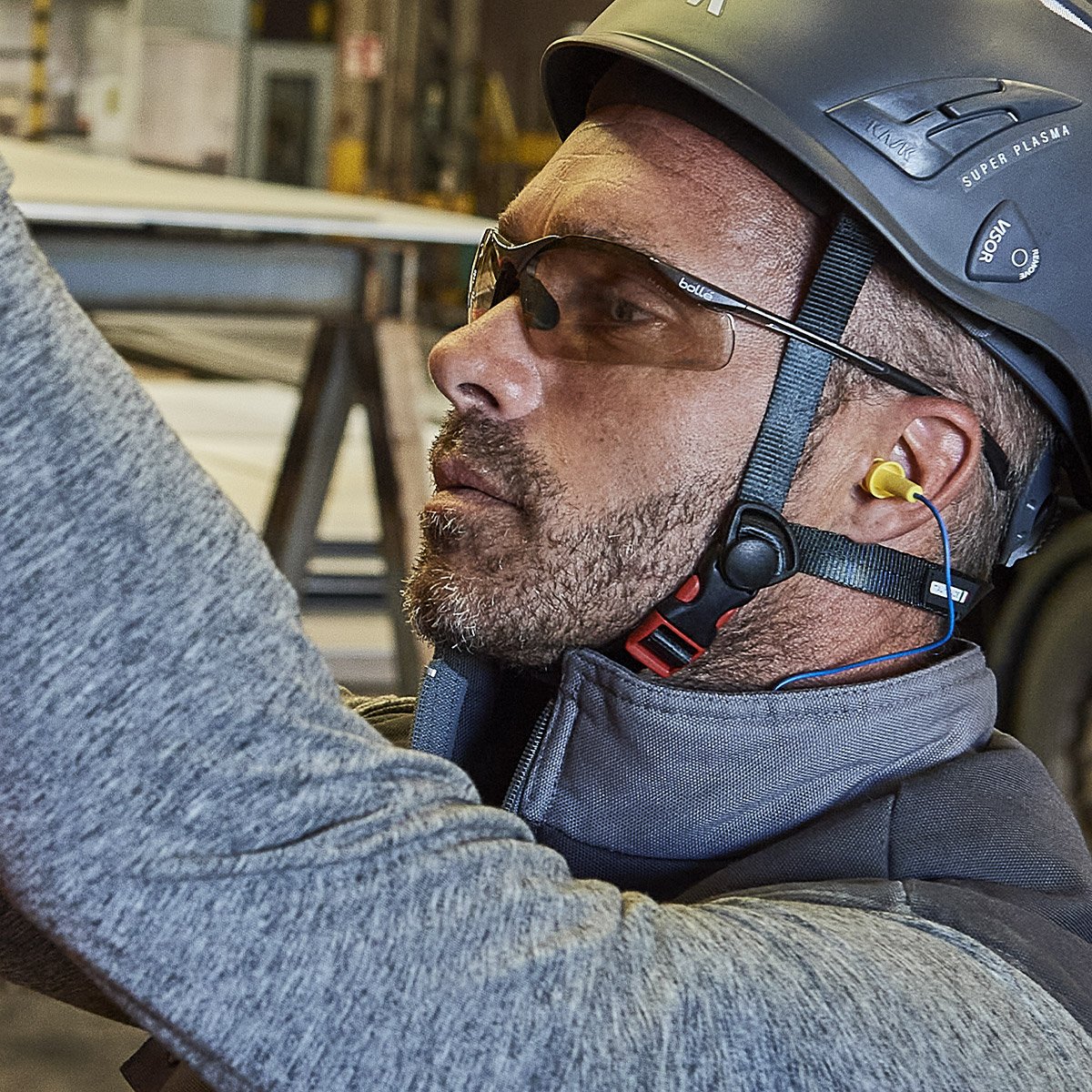
- In industrial environments, depending on tasks and materials
This makes proper eye protection essential in both everyday and professional settings.

UV PROTECTION vs LENS TINT : WHAT'S THE DIFFERENCE
A common misconception is that darker lenses provide better protection.
In reality:
- UV protection is independent of tint
- A clear lens can offer UV400 protection
- A dark lens without UV protection can be harmful
This is why certification and standards matter more than lens color.
WHY UV400 PROTECTION IS ESSENTIAL ?
Long-term exposure to UV radiation can lead to:
- Eye fatigue and discomfort
- Increased risk of cataracts
- Potential damage to the retina
- Accelerated eye aging
For workers, this risk is compounded by prolonged exposure during the workday.
UV400 lenses act as a barrier, helping preserve long-term eye health while improving visual comfort.

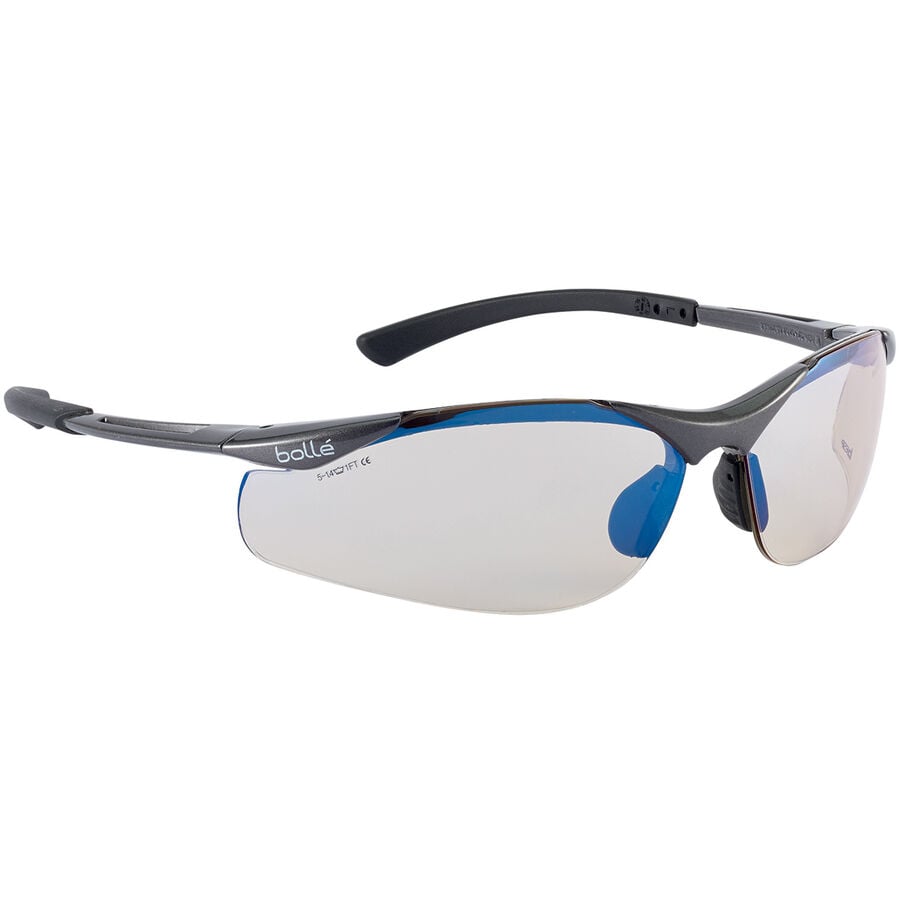
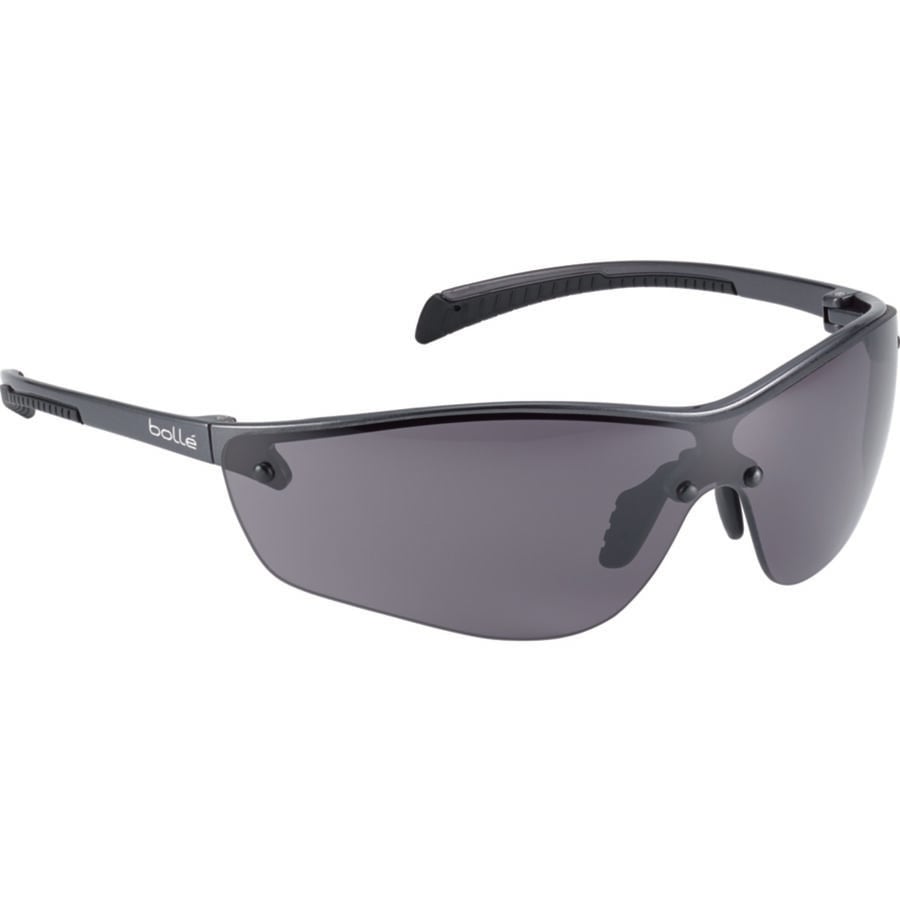

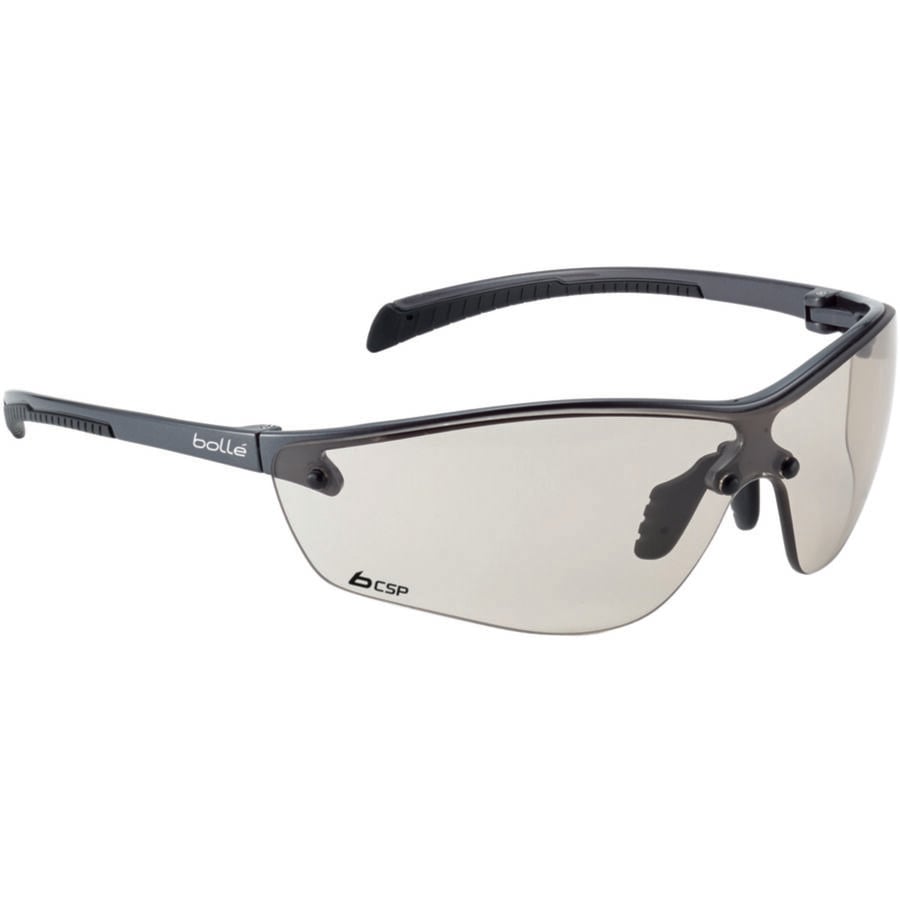
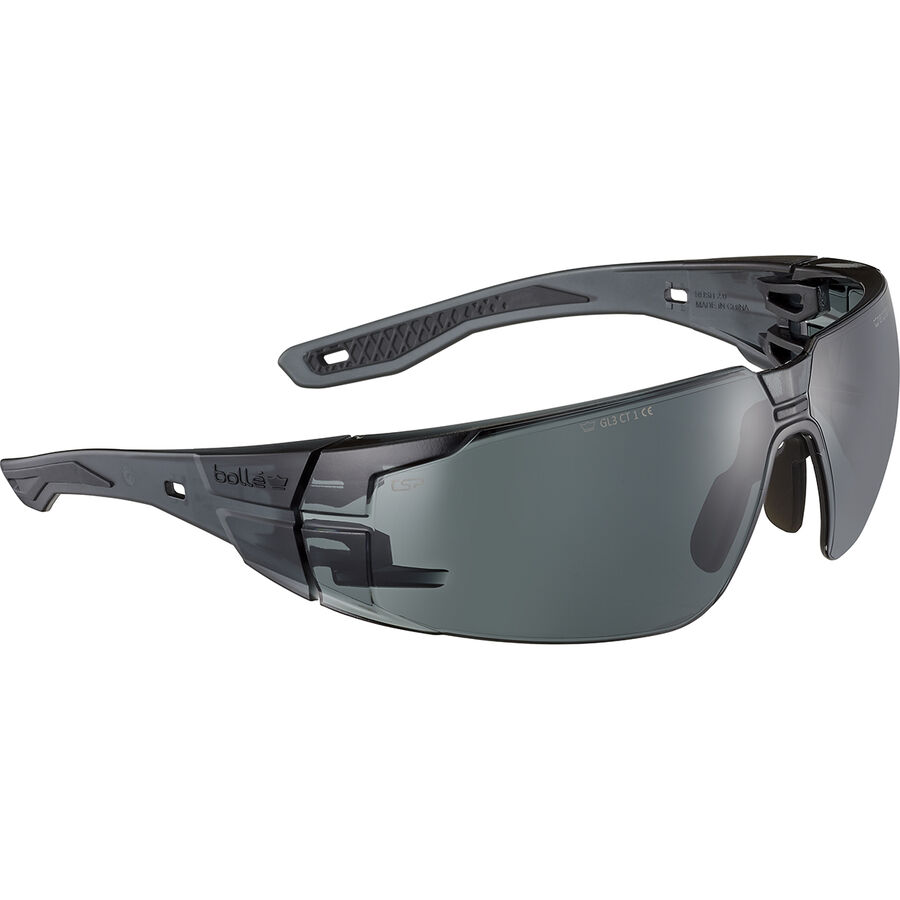

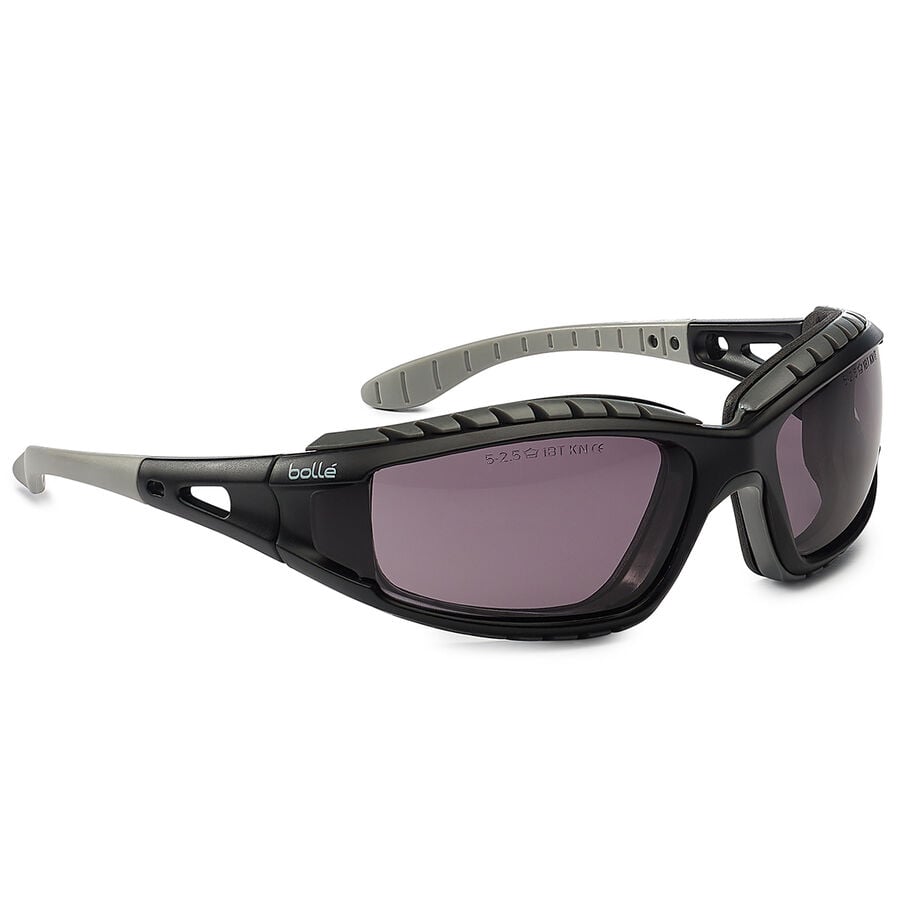
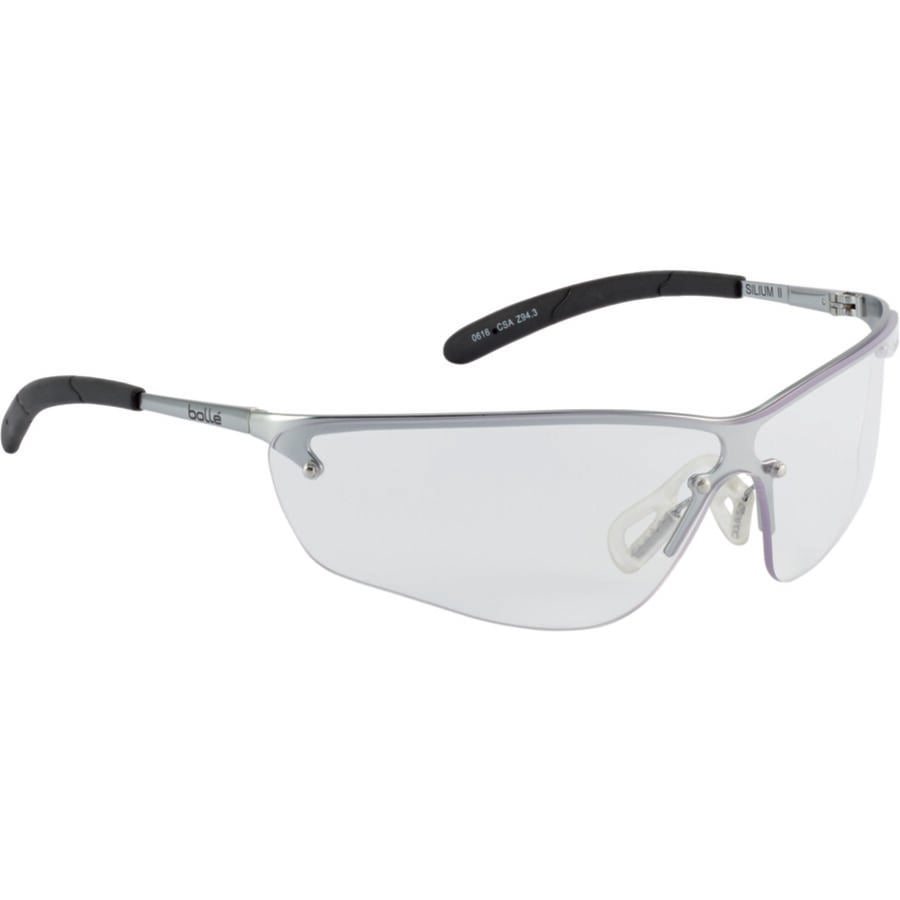
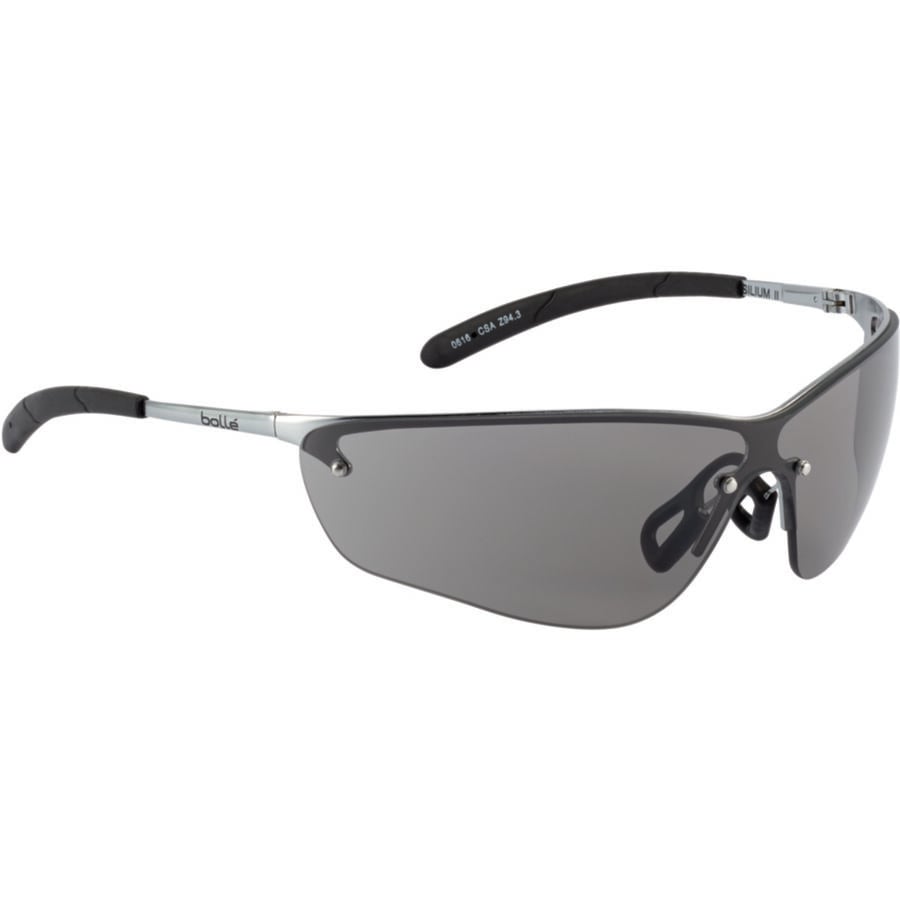
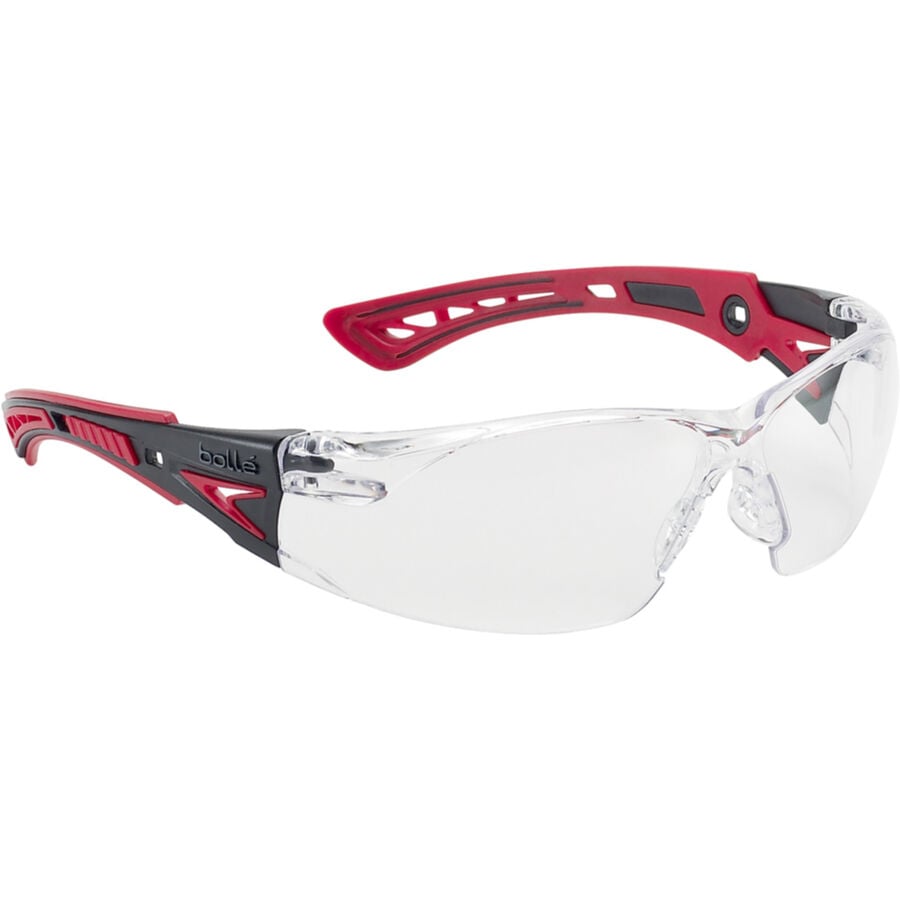
AS LIGHT SHAPES THE WORLD AROUND US, OUR CSP RANGE OF TINTS AND TECHNOLOGIES ENSURES THAT EVERY SHIFT, GLARE, AND CHANGE IS MET WITH CLARITY, COMFORT, AND CONTROL. FIND OUT MORE ABOUT OUR OTHER LENSES :


