WELCOME TO INSIGHTS
EXPLORE OUR CONTENT LIBRARY
Gain insights on Bollé Safety's world and the broader PPE eyewear industry

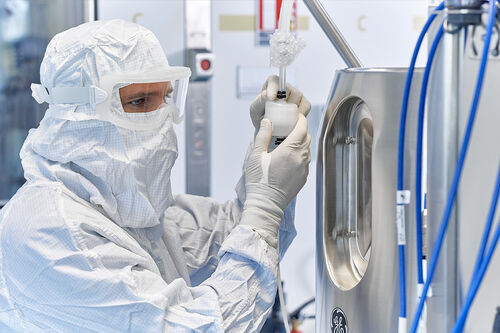
How to Meet Safety Requirements in the Pharmaceutical Industry?
The European Union's Annex 1 regulation, which outlines the requirements for properly and safely manufacturing sterile medicinal products for human and veterinary use, has recently undergone significant revisions since its first publication in 2007. Annex 1 applies to all sterile medicinal products manufactured in and exported to the European Union and the UK.
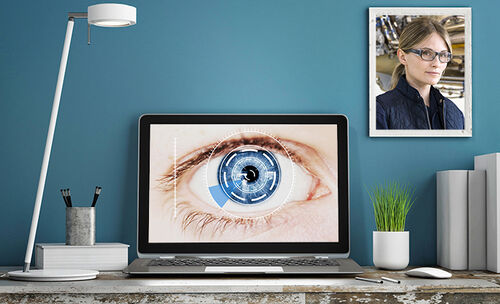
All you need to know about Blue Light Some Test
Our modern world is flooded with artificial light. We over illuminate our homes and workplaces, bright streetlights and signage line our roads, and now the glowing screens of our mobile devices follow us everywhere we go. The development of artificial light allowed us to work longer, sleep later, and facilitates our 24hr entertainment culture.
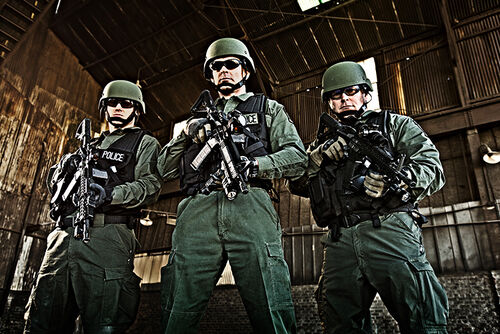
Which ballistic protection should you choose for tactical environments?
Tactical situations cover a wide range of environments that present a variety of risks to the eyes: Military, Law Enforcement & Rescue Operations
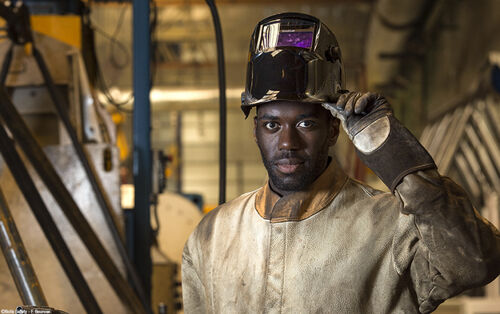
Which welding helmet to choose depending on the electric welding process?
Discover the different procedures in electric welding. Arc welding is a generic term for a process in which an electric arc is created between an electrode and the parts to be assembled.
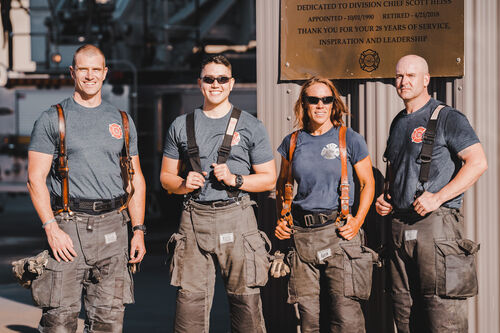
Why wear ballistic glasses during tactical operations?
Tactical response workers are highly susceptible to eye injuries. These environments require the highest eye protection standards.
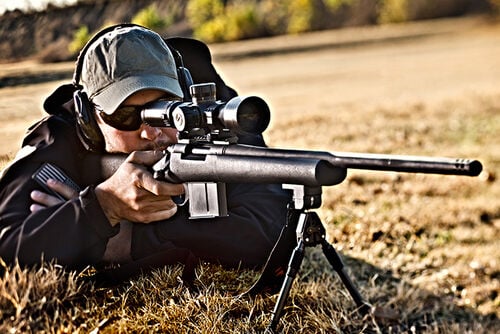
Tactical eyewear: On and off the battlefield
Why choosing tactical eyewear ? For the most prevalent tactical situations, the risks present in tactical situations. Protect yourself from the risk!
What are the materials used for lenses : advantages / disadvantages ?
Occupational risks: assess them properly to select the right protection. The selection of eye protection is part of your duty as an employer. It is important to clearly identify the types of risks present in order to provide each employee the suitable equipment and to check that the risks, directives, standards and markings on the protection are all in line with each other.
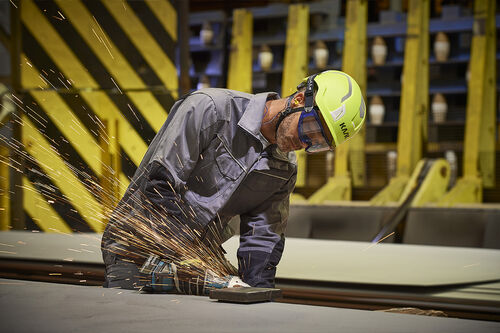
What are the risks to your eyes at work and how can you protect them?
Working in certain high-risk industries can pose a great threat to the eyes and safety of the employees. A proper PPE program can protect employees and companies from these hazards.
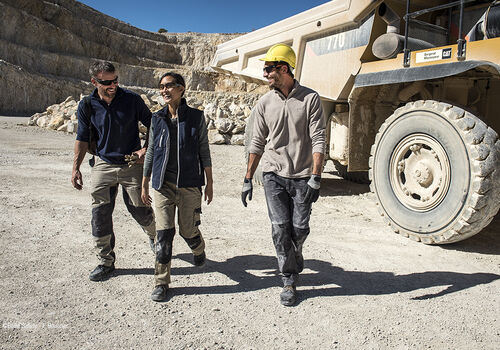
UV: How to Protect the Eyesight of Employees Working Outdoors?
There’s no denying that eye injuries are common in the workplace. That being said, they are far more common in outdoor employees due to the sheer nature of these trades. This means that managers have to take precautions that help minimize the chance of an accident.
Everything you need to know about refractive vision errors
Refractive errors are usually related to the shape and the size of the retina but may also be altered by the aging of the eyes.
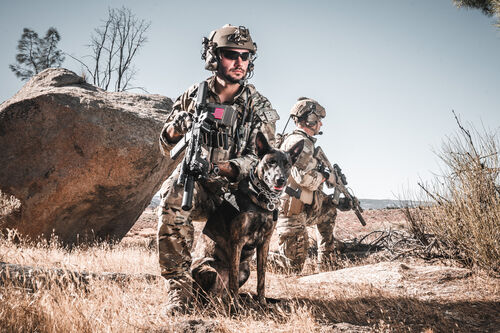
What standards apply to tactical ballistic eyewear?
In the world of safety eyewear, ballistics means military-grade impact protection. What is the difference between ballistic and safety eyewear for civilians? Read more about the standards and certifications in this article.
Sun & Protection: Which Solar Safety Glasses at Work?
The depletion of the ozone layer and a reduction in cloud cover are only a small number of factors contributing to a high UV rating. The ozone layer acts as the Earth’s natural shield from UV rays. As a result, we need to be much more vigilant protecting our eyes.
Supporting you to raise awaraness
As technical expertise alone is not enough, we support you in preventing risks! Our mission does not stop at designing and producing effective and comfortable eye protection in all situations. Even if the overall number of accidents is dropping, there are still too many. A lot of them could be avoided if all employees protected themselves. Informing and educating to change behaviour is also our concern. To achieve it, we help you in the field.
PPE and ESG: Why and How to Take Action in a Company?
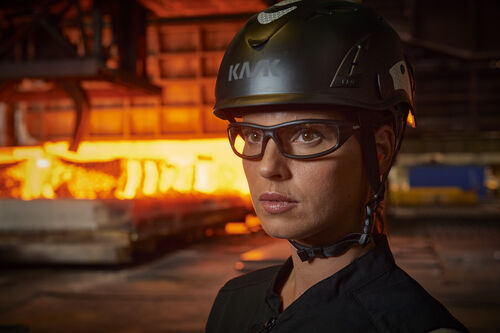
Environmental, Social and Governance factors (ESG) are of a heightened concern for corporations to be sustainable long term. What is ESG and why it is so important for companies.
What are the eye risks in a tactical environment?
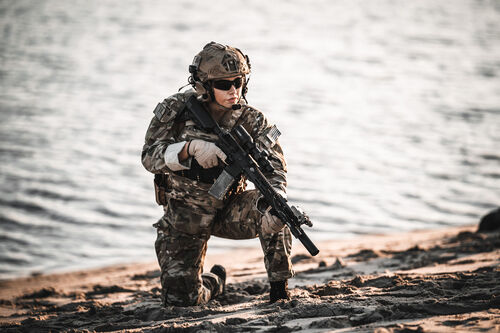
Many tactical settings present a variety of risks to the eyes. The appropriate eye protection is a must for survival in these harsh environments.
What is Blue Light and How Can You Filter It?
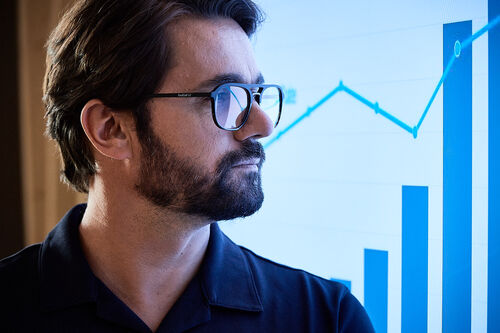
Nearly every source of light – natural or artificial – emits blue light. Your eyes are exposed to it frequently, both indoors and outdoors, from sunlight to digital display screens.
Fogging: Definition, Explanation and Solutions to the Phenomenon
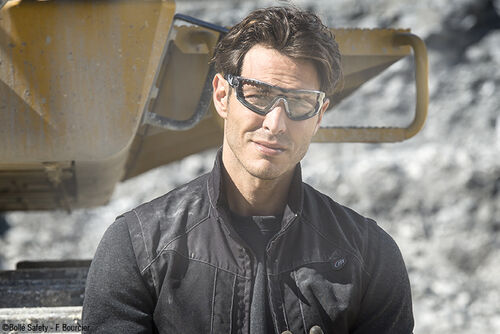
Fog is a natural phenomenon of astounding beauty, wonderfully depicted by Simon Christen’s awarding winning time-lapse video ‘Adrift’ filmed in the San Francisco Bay area. It also brings life to regions where other forms of water are scarce. However, despite its beauty and life-sustaining abilities, fog can also create treacherous conditions for those trying to operate in or travel through it.
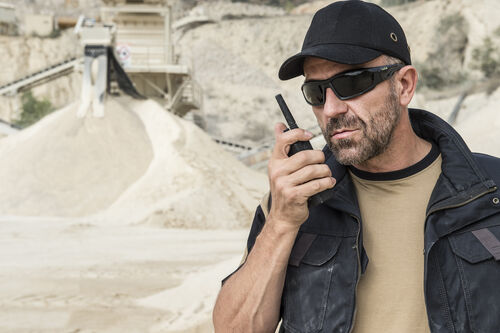
The hows and whens polarized glasses are worth it
Prolonged sun exposure is a very well known health risk, especially for the eyes. For outdoors workers, who spend around 6 hours per day under direct sunlight, they are 3 times more likely to develop eye conditions. Discover when wearing polarized safety glasses can be useful.

The inescapable blue light
While in many professional settings, employees now spend the vast majority of their working day staring at screens. These factors are leading to increased eye strain, long-term retina damage, as well as a host of other physical, mental and emotional health disorders. Discover through this infography some datas and protective measure against blue light!

Pharmaceutical Industry: Which Safety Glasses Should You Choose?
There’s nothing quite like the chemical industry. The world’s third largest industrial sector employs more than 10 million people and generates an incredibly broad range of products that impact every element of our lives. From industry to clothing, from food to healing people, manufactured chemicals have become intrinsic to our society.
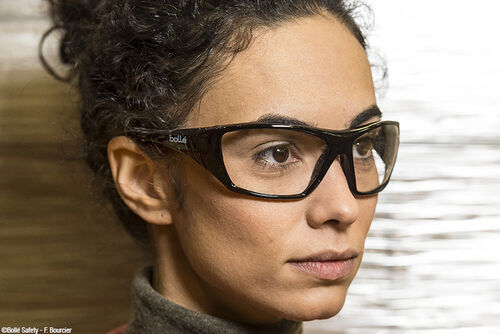
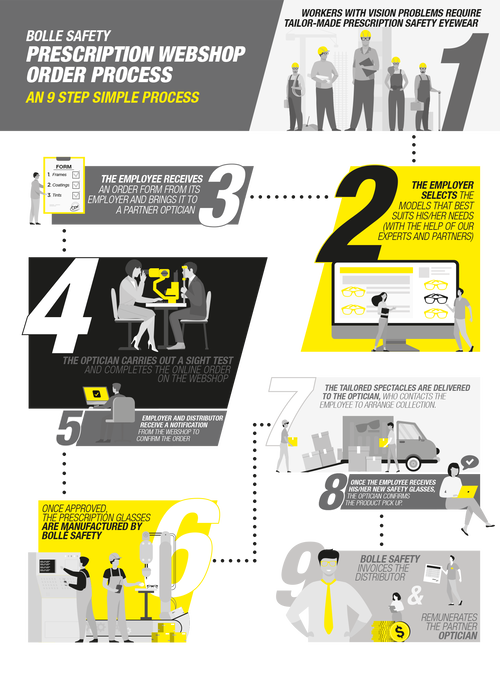
What are the different prescription lenses used at Bollé Safety?
Single vision, progressive or varifocal, bifocal, degressive and free form lenses
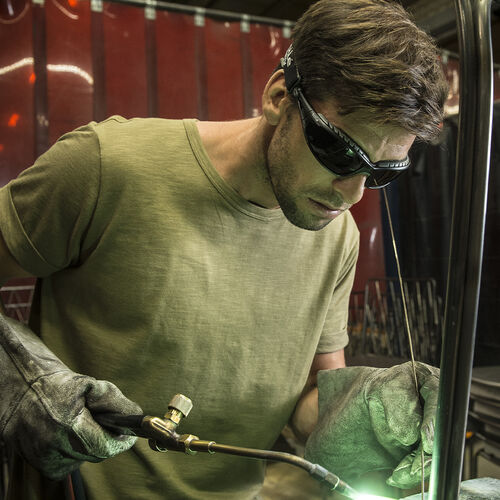
How to Choose the Shade for Welding Glasses or Welding Goggles?
What type of welding shade should be chosen?