Written on May. 20th, 2026 by Bollé Safety
FINE FACIAL FEATURES
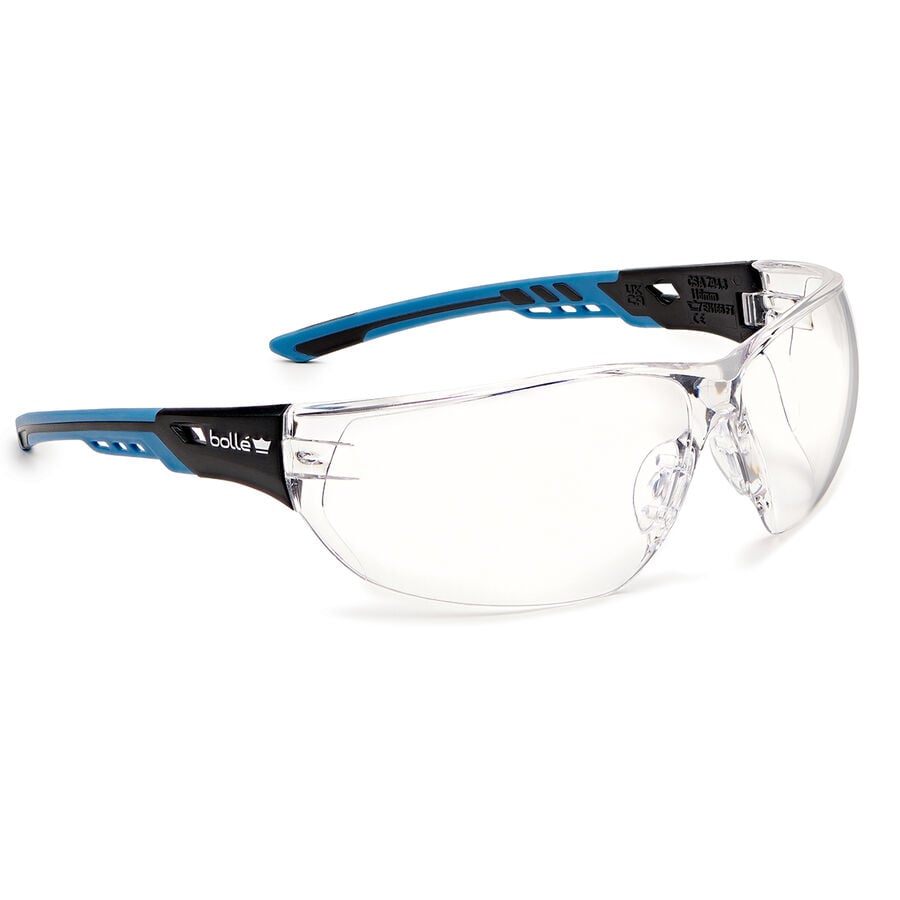
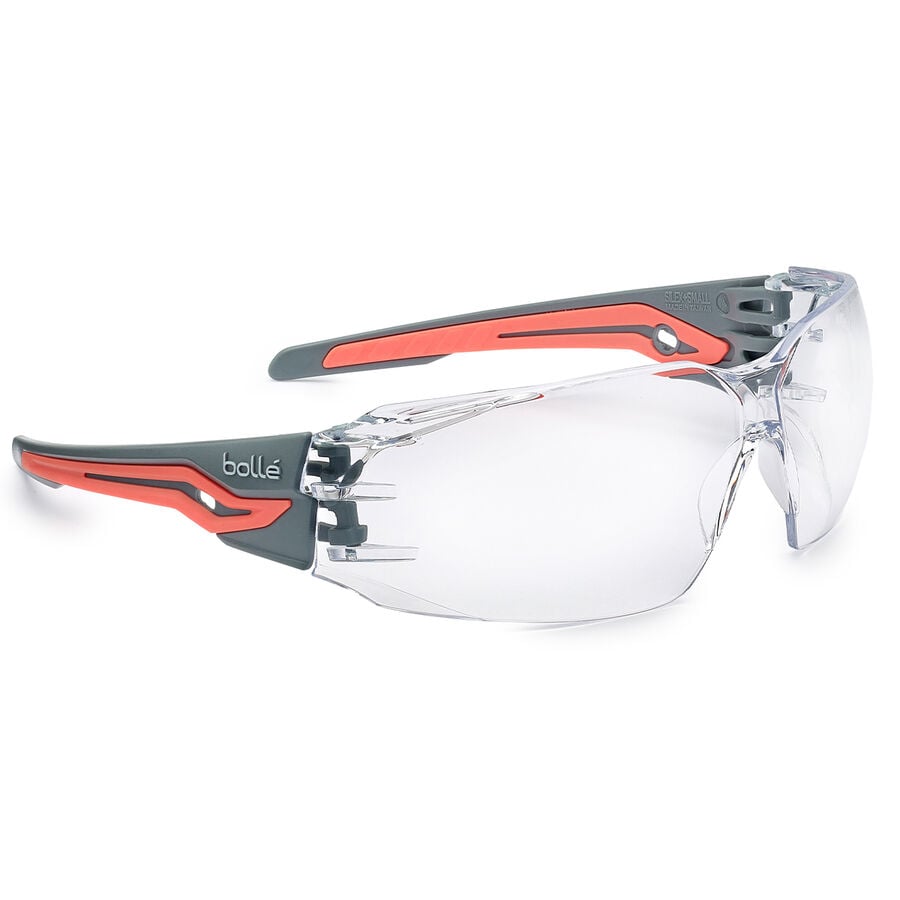
WHY CHOOSE SMALL-SIZE SAFETY EYEWEAR
Not all safety eyewear fits every face shape equally well. Yet in many workplaces, users with narrower facial features still wear oversized protective eyewear.
The result can include:
- frequent slipping;
- discomfort;
- reduced stability;
- less effective protection coverage.
For users with finer facial structures, choosing appropriately fitted eyewear becomes a real safety and comfort issue. This is exactly where Small-Size safety eyewear provides value: delivering a more secure fit, improved stability and greater comfort throughout the working day.
Why proper fit is essential in eye protection
Effective safety eyewear must:
- remain stable during movement;
- provide proper eye area coverage;
- minimize gaps between the face and the lens;
- stay comfortable during extended wear.
When eyewear is too large:
- it may slide down;
- require frequent repositioning;
- leave openings that expose the eyes to dust or particles;
- create discomfort that discourages consistent use.
Proper fit is therefore not only about comfort, it is an essential component of effective protection.
The limitations of standard-size eyewear for fine facial features
Standard safety eyewear is generally designed to fit the widest possible range of users. However, facial morphologies vary significantly:
- face width;
- temple spacing;
- nose bridge shape;
- facial support points.
For users with narrower facial features, oversized eyewear can lead to:
- insufficient stability;
- uneven pressure distribution;
- reduced side protection.
Small-Size models are specifically designed to address these issues through dimensions and ergonomics better suited to finer facial structures.

What makes Small-Size safety eyewear different
Small-Size safety eyewear is not simply a reduced version of a standard frame. It is designed with ergonomics in mind to improve:
- stability;
- balance;
- facial fit;
- long-term comfort.
Key design features may include:
- reduced frame width;
- better-adjusted temples;
- adapted nose bridge support;
- improved pressure distribution;
- more precise wraparound coverage.
The goal is simple: provide effective protection while maximizing user comfort.
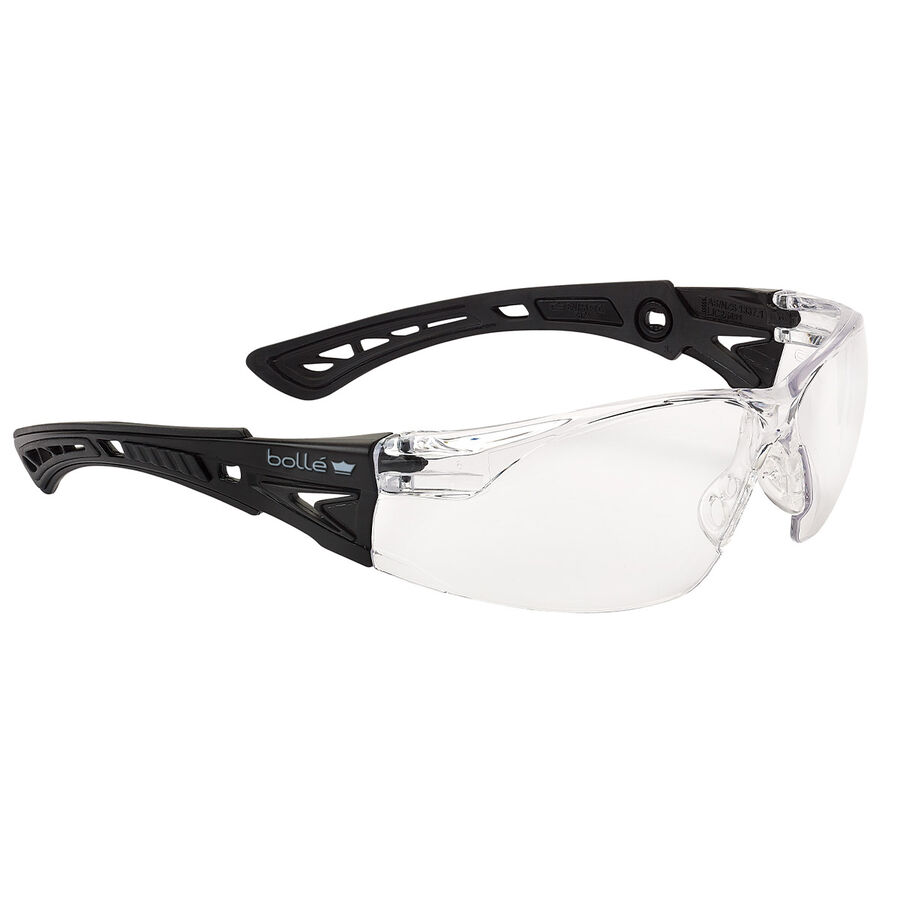
Fitting guide example for the RUSH+2.0

Practical benefits in everyday work environments
Improved stability
Eyewear stays securely in place during movement and repetitive tasks.
BETTER comfort DURING the day
Reduced pressure points and fewer manual adjustments improve long-term wearability.
More consistent protection
Closer facial fit helps reduce gaps and improves side coverage.
Better wearer acceptance
Comfortable PPE is more likely to be worn correctly and consistently.
How to choose the right model
Several factors can help determine whether safety eyewear fits correctly:
- stability during movement;
- absence of slipping;
- proper nose positioning;
- temple comfort;
- adequate eye area coverage.
User trials remain essential to assess:
- overall fit;
- comfort;
- compatibility with other PPE.