
Written on Oct. 14th, 2026 by Bollé Safety

COLD ENVIRONMENTS
CHALLENGES AND RISKS
Low temperatures create specific challenges for safety eyewear. Outdoor work, refrigerated facilities and frequent transitions between warm and cold environments can cause condensation, fogging or even frost to form on the lenses.
These conditions can reduce visibility, affect precision and make workplace hazards more difficult to identify. When their vision becomes obstructed, workers may also be tempted to adjust or remove their protective eyewear, increasing their exposure to potential risks.
Key challenges
- Temperature changes and humidity
- Fogging or frost reducing visibility
- Discomfort during prolonged wear
- Increased risk of errors, slips or collisions
- Temptation to remove protective eyewear

FOGGING
Fogging occurs when warm, humid air comes into contact with a colder lens surface. Moisture condenses into tiny water droplets that scatter light, creating a hazy or blurred field of vision.
It commonly occurs when workers:
- Move between heated and cold areas
- Enter or leave refrigerated facilities
- Perform physically demanding tasks
- Wear masks, respirators or other PPE
- Work in humid environments

FROSTING
Frosting can occur in very cold conditions when moisture freezes on the surface of the lens. It creates a thin layer of ice crystals that may partially or completely obstruct vision.
Unlike fogging, frost cannot be fully prevented by an anti-fog coating in every extreme condition. However, suitable eyewear, proper fit and good maintenance practices can help limit moisture buildup and support clearer vision.
WHEN VISION IS COMPROMISED, SAFETY IS TOO
Fogged or frosted lenses can make everyday tasks more difficult and increase the risk of workplace incidents.
Reduced visibility may affect:
- Visual clarity
- Peripheral awareness
- Hazard recognition
- Depth and contrast perception
- Precision when handling equipment or tools
Clear vision is particularly important when operating machinery, driving vehicles, handling materials or working at height. Choosing comfortable eyewear with effective anti-fog performance also encourages workers to keep their protection in place throughout the task.


PLATINUM: ADVANCED ANTI-FOG AND ANTI-SCRATCH PROTECTION
Bollé Safety’s exclusive PLATINUM coating provides premium resistance to fogging and scratching. Applied to both sides of the lens, it helps preserve clear vision and lens durability in demanding working conditions.
PLATINUM uses hydrophilic properties to disperse condensed moisture across the lens as a microscopic, uniform and transparent film. This helps delay the formation of the visible droplets responsible for fogging.
PLATINUM benefits
- Applied to both sides of the lens
- Advanced anti-fog performance
- Enhanced resistance to scratches
- Designed for demanding working conditions
- Helps preserve optical clarity over time
Tested by an independent laboratory using the EN166 protocol on a representative sample of NESS+ products, PLATINUM was found to be 100 times more effective than the minimum requirement of the highest anti-fog rating under the specified test conditions.
The coating also remains effective after more than 100 cleaning cycles under the specified independent testing conditions.
Performance may vary depending on temperature, humidity, airflow, activity level, eyewear fit, cleaning and maintenance.


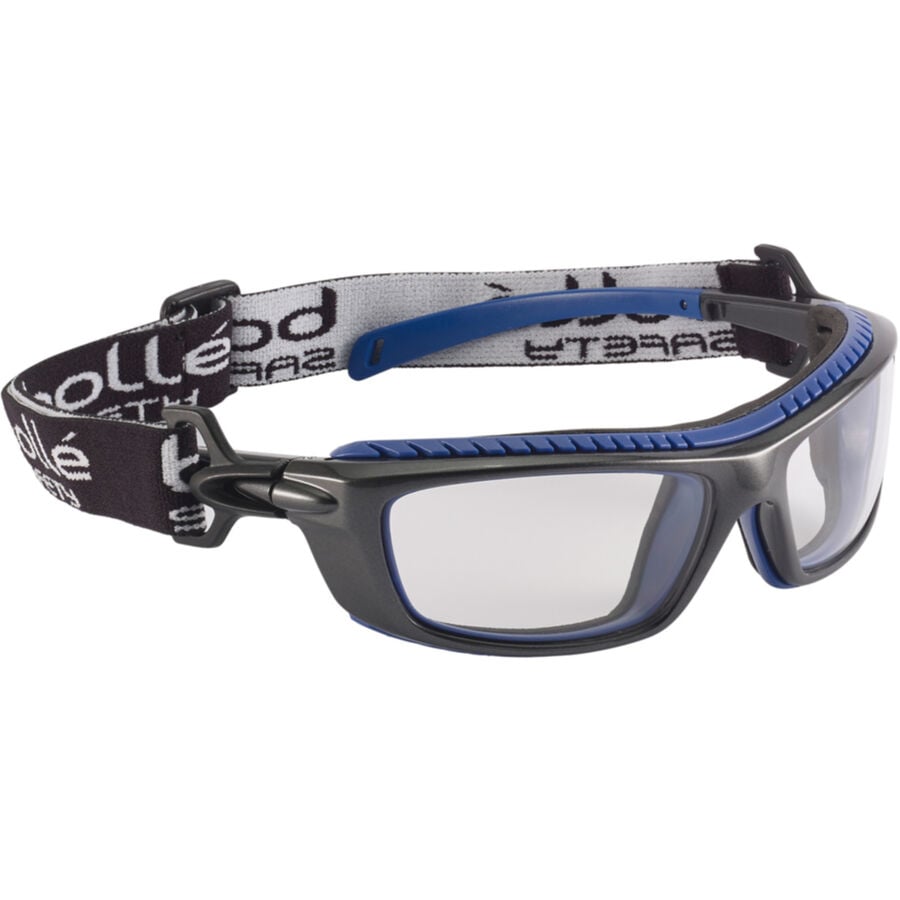
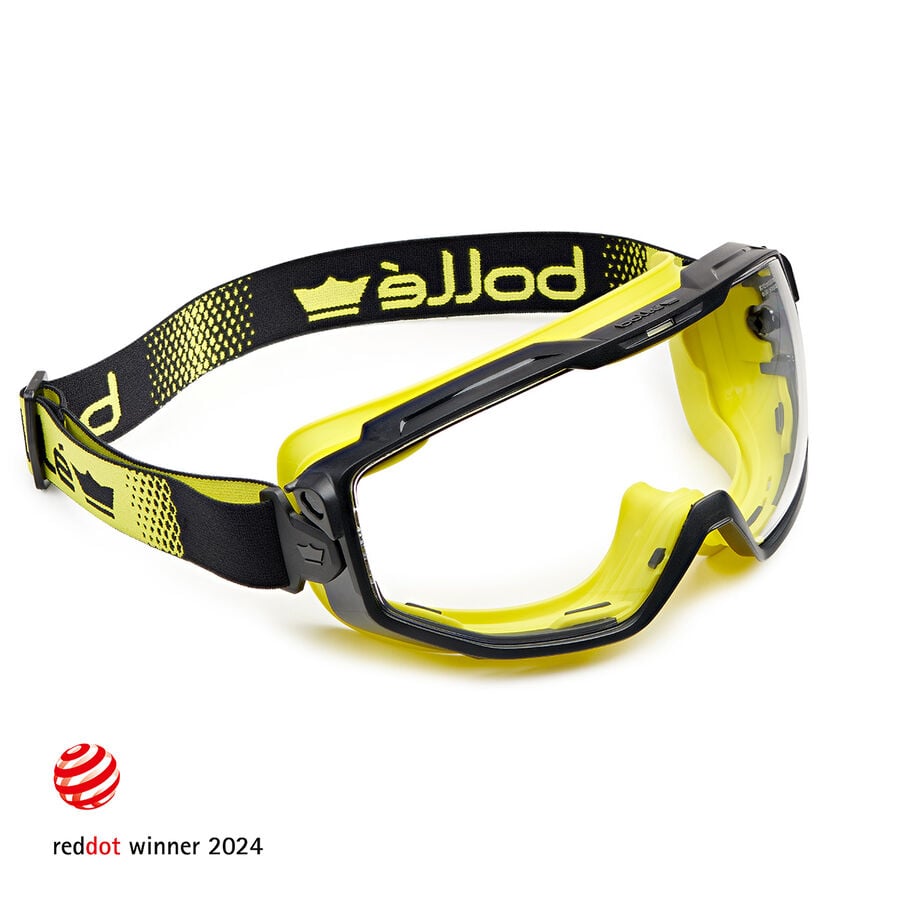

WHAT TO CONSIDER WHEN CHOOSING COLD-WEATHER EYEWEAR
Safety eyewear should always be selected according to the workplace risk assessment and the conditions in which it will be used.
TEMPERATURE CHANGES, HUMIDITY AND ACTIVITY LEVEL.
VENTED AND/OR SEALED PROTECTION.
FIT AND PPE
COMPATIBILITY.
HELP PRESERVE ANTI-FOG PERFORMANCE
Regular and appropriate care can help maintain optical clarity and preserve the performance of safety eyewear.
Recommended practices
- Remove loose dust and particles before wiping the lenses
- Use a lens-compatible cleaning solution
- Clean with a soft, clean microfiber cloth
- Allow the eyewear to dry completely before storage
- Store it in a clean, dry protective case
- Inspect the lenses regularly
- Replace eyewear when the lenses are deeply scratched or damaged
Practices to avoid
- Abrasive fabrics or paper towels
- Harsh household chemicals
- Aggressive dry wiping
- Scraping ice directly from the lens
- Storing wet eyewear in a closed case
- Placing eyewear directly against an intense heat source
The Bollé Safety B-Clean range provides suitable solutions for the regular cleaning and maintenance of protective eyewear.
FIND THE RIGHT SAFETY EYEWEAR FOR YOUR WORK ENVIRONMENT